| Region | |
|---|---|
| Subregion | France > Bordeaux > Left Bank > St Julien |
| Colour | Red |
| Type | Still |
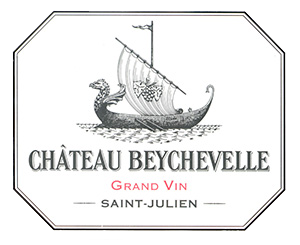
With its distinctive label of a sailing boat, Beychevelle is a Bordeaux that is popular the world over. Always one of the most forward and "user-friendly" of the Saint Julien classed growths, this is a wine that is usually made to give relatively early drinking pleasure rather than to win academic blind tastings. We have noticed a significant step-up in quality in recent vintages. The percentage of Cabernet Sauvignon is low for the Northern Medoc and there is always a high percentage of Merlot in the final blend. Always polished and supple, it is in huge demand in China where it is known as "Dragon Boat Wine". The vineyard is 78 hectares.
Medium to deep garnet-purple in color, the 2017 Beychevelle has a fragrant, floral nose with warm cassis, preserved plums and Morello cherries plus earth, herbs and cinnamon touches. Medium-bodied, it has lovely expression with firm, fine grained tannins and seamless freshness, finishing long and mineral laced. The wine was aged for 18 months in French oak, 60% new and 40% second fill. The final blend is 50% Cabernet Sauvignon, 45% Merlot, 4% Petit Verdot and 1% Cabernet Franc. Fifty-two percent of the production was dedicated to the grand vin, with 240,000 bottles produced. 2022 - 2042
Tasted blind. Deep ruby colour. Very floral and fragrant fruit. High toned. Succulent entry, quite polished and fleshy. Full array of fruit and fresh, vibrant acidity. The tannins are fine but firm, offering excellent structure against the fruit. This is approachable and easy to like.
Drink 2024 – 2037
Aromas of flowers, berries and light cedar with some milk-chocolate undertones. Medium body. Creamy tannins and a firm, caressing finish. Shows tension and focus. Better after 2022.
This is a fine expression of St-Julien, with extremely pretty aromatics and brambly, juicy black fruits that remain soft and persistent through the palate, with the tiniest hint of acidity tightening the tannins. It's not as expressive as in 2016, but that was exceptional, though this is certainly a wine to recommend in 2017.
Drinking Window 2026 - 2040
Deep crimson with purple rim. Tangy, slightly wild black fruit, more bramble than cassis. Smooth, rounded and rather gentle but still persistent. Supple tannins already, though they may be deceptive.
Drink 2024-2036
The black fruits on the nose are firm and fresh the start of the palate tight but it opens up in the middle with fleshy ripe fruit. Firm at the back the finish is quite tight. Drink 2025-2036.
A super-fragrant Beychevelle with bright Merlot fruit very much in evidence. Lovely and pure and silky, with little aggression on the finish, this is already a very harmonious wine with buoyancy and charm. There is some spice and warmth on the finish, which gives some richness but all in all this is a forward and luscious wine.
Very fine tannins already with a solid core of blackberry and blueberry character. Hints of flowers. Full-bodied, well-integrated and tight, not to mention fresh and long.
Deep garnet-purple colored, the 2017 Beychevelle opens with gregarious cassis and blackberry pie notes with touches of baking spices and underbrush plus a waft of lavender. Medium-bodied with a great core of ripe black fruits, it has a firm frame of ripe, grainy tannins and balancing freshness, finishing long. The final blend is 50% Cabernet Sauvignon, 45% Merlot, 4 Petit Verdot and 1% Cabernet Franc.