
South Africa is one of the wine world's most exciting and dynamic countries. Young, ambitious producers are constantly bursting onto the scene as the quality of old vineyards meets innovation and expertise. The result is a diverse range of forward-thinking wines that are often great value when compared to their peers around the world. South Africa has often been considered as producing wines that bridge the old world and the new, harnessing the warmer weather but always looking for savoury complexity. Now, the wines have their own signature, and are gaining long overdue recognition from the critics. Below we have created a selection of some of the best exports that the country has to offer. Despite the ratings these wines now receive, many remain mercifully good value. Now is the time to buy, before the world catches on.
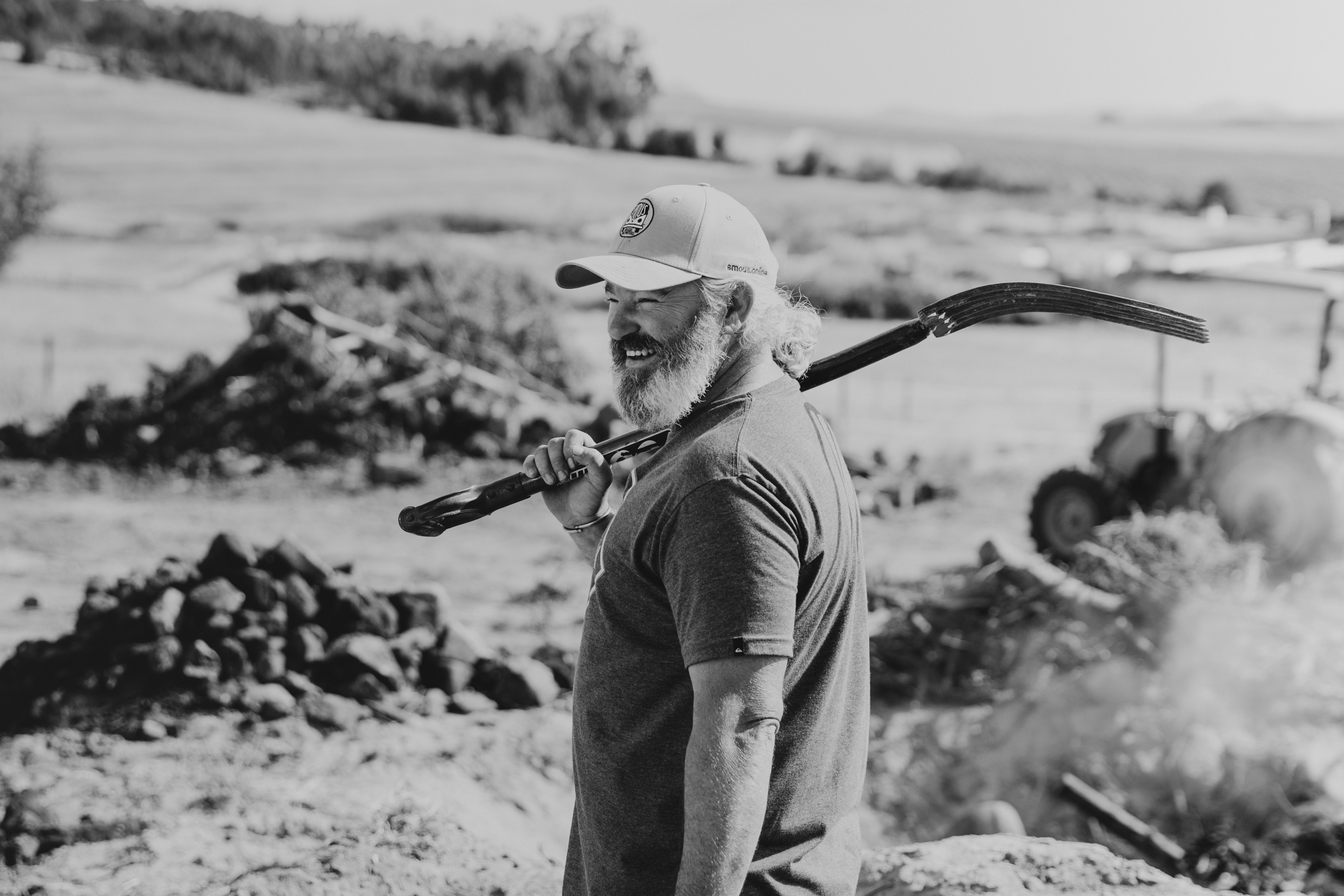
Badenhorst farm old bush vines in Swartland, directly north of Cape Town in a region that stretches inland from the western coast. The winery is a restored, previously derelict building that had been unused since the 1930s. Andre Adriaan (or Adi, the AA of Badenhorst) worked at Angélus, Alain Graillot and Wither Hills before returning to South Africa and buying 60 hectares of land in 2008 with his cousin. The wines are hands-off, low-intervention in style but clean and fine.
Producing superb wines from the well-established Chenin Blanc (labelled under the local name Steen) to lesser-seen Grenache and Tinta Barocca, critical acclaim has followed in the deeply moreish style that transparently conveys both the place and Adi's vision.


Though Craig and Anne Wessels only started Restless River in 2004, the speed at which their reputation has grown makes it one of the established classics in Hemel-en-Aarde. We were particularly impressed by the wines at a recent tasting with Craig in our offices earlier this year. He remains very humble, realising that winemaking is an iterative process that gives you just one chance a year to hone your skills. The philosophy brings together a modern understanding of sustainability, with Craig's obsession lying in the vineyard as much as the winery. He is, too, unconventional in many ways. Though Pinot Noir and Chardonnay are the bastions of the region, Craig has some of its oldest plantings of Cabernet Sauvignon and crafts a marginal-climate varietal wine that is as unique as it is delicious - there is more than a whiff of Cabernet Franc about it. There are also the region's more classic Pinot Noirs and Chardonnays. These are taut, edgy and mineral, offering brilliant acids and lipsmacking tension. Craig's drive for quality can make the wines hard to come by; he will not release a wine if he believes it is not up to muster. Those that do make the grade are well worth buying.
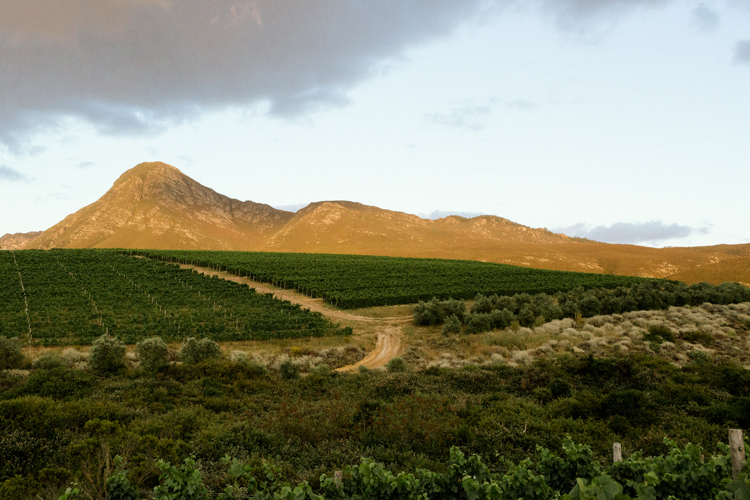
Crystallum lies to the southeast of Cape Town in the Walker Bay region of the Cape south coast. Founded in 2007, the latest generation of the Finlayson family who started the project can trace their family roots back to the earliest plantings of Pinot Noir in Hemel-en-Aarde. They focus exclusively on Pinot and Chardonnay in a reflection of Burgundy's most important varieties. Winemaking is typical of old-school Burgundian methods, with whole-bunch pressing and barrel fermentation for the Chardonnay and a good proportion of whole-bunch fermentation for the Pinot Noir. Both varieties are aged in French oak. The wines have drawn global recognition but remain very reasonably priced due to the relative nascency of the project. Pure and refined, they have the structure to age wonderfully but can be enjoyed in youth.
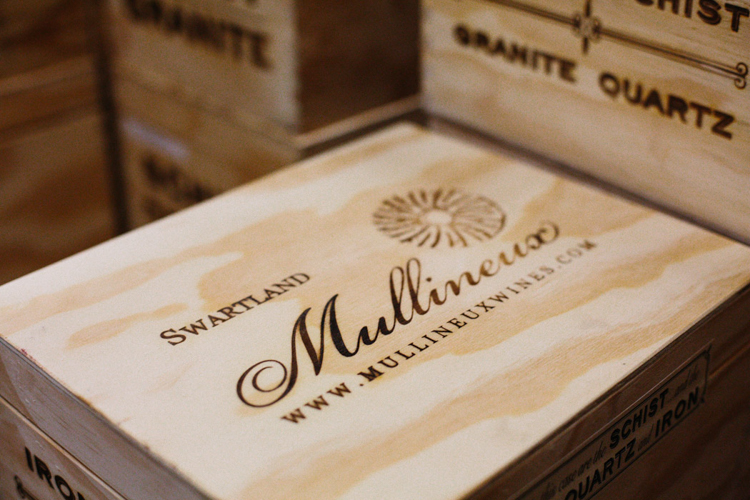
It is remarkable that Mullineux wines only began in 2007. Based in the Swartland region, the wines have quickly become some of the most sought-after from all of South Africa, winning Platter's Winery of the Year four times between 2014 and 2020. Old vines of Chenin Blanc, Syrah and white Rhône varieties are bottled to make exciting, ageworthy wines from a variety of soils. Terroir is incredibly important to Mullineux - many of the wines are named by their predominent soil type - schist, granite or iron, the three most important soils to the Swartland region. Attention to detail is everything here; sustainable viticulture is paramount, with no additions to the wines other than a little sulphur at bottling. The results speak for themselves.

Eben Sadie is synonymous with modern South Africa. The godfather of quality winemaking and innovation who inspired the new generation of young producers throughout the country, Eben's first vintage was in 2000 with Columella. Together with the white, Palladius, these form the base of his Signature wines. Based in Swartland, these two pillars have been joined by several Old Vine Series wines since 2010. They are some of the most in-demand from both South Africa and beyond. Bottled in very small quantities, they are always worth snapping up if you see them. A very engaging man to talk to, Eben is constantly evolving and reinventing what is possible from his wines, and is now planting more vineyards to add to the already stellar range. Sadie's wines are worth the hype, turning the heads of even the most europhilic drinkers with the pure quality of what's in the bottle.

One of the historic names of South Africa, Boekenhoutskloof's origins lie in the 1700s. Based in Franschoek, the winery was restored and new vineyards planted in 1993. The new Boekenhoutskloof saw its first vintage in 1996, with the first Chocolate Block produced in 2002. This is one of South Africa's biggest success stories. From this now household name, the winery grew in reputation and size, winning Platter's Winery of the Year in 2012. In 2009 Porseleinberg Farm was acquired in Swartland. It is from this outstanding vineyard that the winery makes arguably Farr Vintners' favourite South African wine - Porseleinberg Syrah. A rival for top Cornas and Côte Rôtie, it has garnered the highest praise from several critics, earning a 100 point score from Tim Atkin in 2018. A new maturation cellar was completed in the same year, which will see the wines continue to improve from their already outstanding foundations.

Lismore is run by American Samantha O'keefe, who travelled all the way to Greyton in the Cape's Sotuh Coast to find her perfect terroir. From one of the coolest sites in South Africa, aided by cold nights, the wines are always marked by freshness. Rhône and Burgundy varieties are planted, the whites Viognier and Chardonnay and the reds Syrah and Pinot Noir. Both red varieties are fermented with a proportion of whole bunch to add lifted and complex aromatics, with elevage in 500 litre barrels (some new), to preserve fruit without giving a strong smokiness. The whites are similar, whole bunch pressed for fine juice before fermentation and maturation ni 500 litre wood barrels. The aim is to allow the varieties and sites to shine through without a heavy winemaking fingerprint. This is invariably achieved, drawing praise from critics for wines that we always enjoy tasting at Farr Vintners. Samantha was subject to some of the most dramatic stress in December 2019, when wild fires tore through her estate, destroying the winery, the entire 2019 vintage and several vineyards. The wine world rallied around her, helping to raise funds and rebuild from scratch. The recovery is nothing short of remarkable.
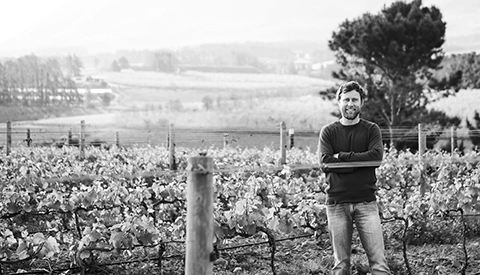
Hannes Storm has worked in the Hemel-en-Aarde Valley since the mid 1990s. After discovering two beautiful small plots in the region, he planted them to Pinot Noir in 2008, making his first vintage in 2012. There are now three Pinot Noirs and two Chardonnays made in very low quantites (a few hundred cases each) from low-vigour, low-yielding sites in varies parts of the Hemel-en-Aarde and Upper Hemel-en-Aarde. Simply put, they are some of the best (and best value) Pinot Noirs we have come across from South Africa. All the wines lean strongly towards an Old World style, offering depth and tension, with savoury tones critical to their flavour profile.
Sam Lambson is young, even for a South African winemaker. His quick rise to prominence as a leading Syrah winemaker started with a bottle of 1998 Jamet Côte Rôtie, and you can see that influence in his wines. His three labels all have distinct personalities and offer terrific value for money. Connect the Dots is a Syrah led blend that is smooth, supple and immediately drinkable. The fruit comes from sites also used by Duncan Savage, Reenen Borman and Lukas Van Loggerenberg. No Place Like Home is from a cool site in Elgin, and now made in the new concrete tanks Sam has bought, it boasts a purity matched with ripe but cool black fruit that is a real crowd-pleaser despite its depth. Stars in the Dark is a unique wine, made from a coastal Agulhas site with wild aromatics and salty, layered fruit, it competes with many of the Rhône's best names. Critical acclaim has unsurprisingly followed Sam; Neal Martin writes "Sam Lambson’s wines have made a big impression, and Minimalist Wines has rapidly become one of the Cape’s cult producers."
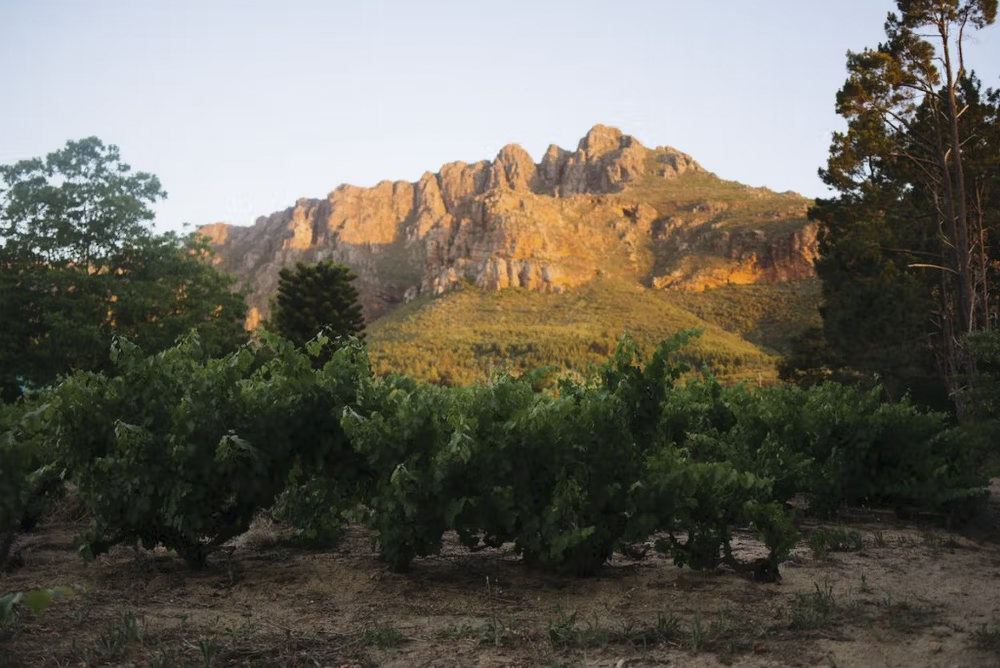
Lukas started his winery in 2016, working from makeshift facilities in a shed. In the time since, he has grown to become arguably our favourite producer of Syrah in South Africa. The entire range is spectacular, with his Chenins, Cabernet Francs and Cinsaults all offering immense drinking pleasure and ageability. It is incredible to see such a young winery producing so many outstanding wines. As with many of the new wave of South African producers, he works on a micro-negociant model: he owns no vineyards and cherry-picks fruit from some of the finest old vineyards in Stellenbosch, Swartland and Paarl. Neal Martin writes “Lukas van Loggerenberg has established himself as one of South Africa’s leading winemakers in recent vintages. One of the most affable and passionate winemakers you could meet, he seems to impart a bit of his own personality into these wines.” These wines are difficult to source and as staff favourites tend to sell quickly. If you see them on our list, buy them while you can.
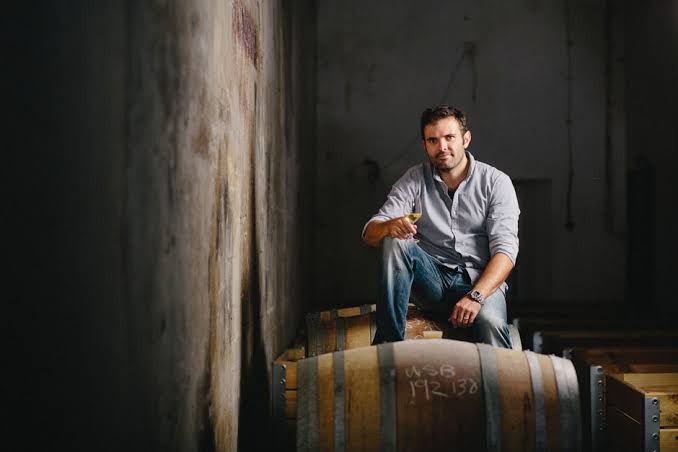
John Seccombe is a South African native but studied winemaking at Plumpton college in the UK and completed six harvests here whilst planting many of the home counties’ vineyards that have proven such a success for English sparkling in the last few years. Tempted back to South Africa by the appeal of a more temperate climate and the budding ‘new wave’ wine scene, Thorne & Daughters was established in 2012 and quickly caught the eye of the critics. Today, the portfolio of wines includes interpretations of some of the Cape's most interesting parcels of old vines. Paper Kite, an old vine Semillon drawing on a 61-year-old vineyard in the Swartland, is a great, complex and textural wine for lovers of whites that can pair with richer foods as well as being drunk on their own. Snakes and Ladders is sourced from the same vineyard as Eben Sadie’s Skurfberg Chenin Blanc and Chris Alheit’s Magnetic North, 500 metres above sea level on the Citrusdal mountain. This little known and rarely explored region produces some of the country’s most profound white wines each year and this is a quite singular expression of Sauvignon Blanc. The entire range is worth exploring - the wines punch well above their weight, with real complexity of both texture and flavour.
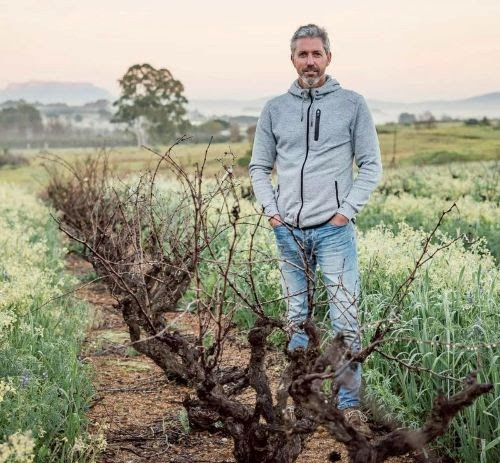
Duncan Savage's wines “epitomize the heights that South African wines are now achieving” according to Neal Martin. One of the earlier leaders of South Africa's modern rise, his winery started in 2011 after a spell as head winemaker at Sauvignon Blanc specialist Cape Point Vineyards and some time working under Didier Dagueneau. Duncan likes wines with edge, which are chiselled, fragrant and moreish. The prices have remained reasonable despite his established reputation as one of the country's most important winemakers. The wines are gorgeous, appetising and engaging - they are highly recommended for both red and white.